Exxaro Resources Limited
Integrated report for the year ended 31 December 2025


We measure and manage our performance over time to monitor our progress towards achieving our strategic objectives.
KPIs enable us to track our progress, address our ESG commitments and achieve our goals. Our performance against our strategic objectives and KPIs is detailed in the tables below. We also indicate which KPIs are linked to remuneration incentives.
KPIs are grouped per capital in relation to how their continued availability, quality and affordability impact our strategic objectives.
| Why it matters | Strategies to achieve our objectives |
Material themes |
||
| We are repositioning Exxaro through disciplined capital allocation and organisational intelligence to deliver sustained value for our business and society. Coal remains a strategic part of our portfolio, and our transition will be paced and deliberate, reflecting our responsibility to energy security, economic inclusion and a pragmatic shift towards a resilient operating model. |
|


|
||
SDGs impacted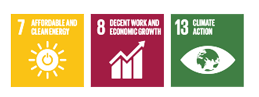
|
||||
| Progress against our strategy | ||||||
| Related capitals | Performance indicator | Why this KPI matters | Performance | Commentary | ||
| 2025 | 2024 | |||||
| In May 2025, we announced our entry into two separate agreements to acquire select manganese assets from Ntsimbintle Holdings and OMH. This marks a significant step forward in diversifying our business and will increase our EBITDA contribution from new metals over time. | ||||||
| New metals EBITDA contribution (%) | Tracking EBITDA from new metals provides a measure of operational profitability and insight into our earnings diversification as we invest in energy transition metals. This indicator demonstrates our progress in building a sustainable, profitable asset portfolio aligned to our transition objectives. | 0 | 0 | We also progressed the expansion of our energy solutions business, bringing
the total
assets under construction and operation to 890MW gross, through:
|
||
 |
||||||
| Installed generation capacity in operation (MW gross) | Expanding our capacity to generate low-carbon energy strengthens South Africa’s energy security while reducing Exxaro’s reliance on fossil fuels. | 229 | 229 | |||
See financial capital and manufactured capital for details.
| Why it matters | Strategies to achieve our objectives |
Material themes |
||
| Our core delivery areas of coal, metals and energy enable us to drive future growth and long-term sustainability. We are focusing on these areas through operational and digital excellence, asset portfolio reconfiguration through rigorous reviews and robustness testing against robust asset criterion. This approach allows us to continue prioritising current energy requirements even as we transition. A streamlined portfolio will further enhance resilience, positioning us well for sustainable growth opportunities. |
|


|
||
SDGs impacted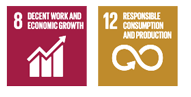
|
||||
| Progress against our strategy | |||||||
| Related capitals | Performance indicator | Why this KPI matters | Performance | Commentary | |||
| 2025 | 2024 | ||||||
| Coal product (Mt)
REM-S
|
Our ability to meet production targets directly impacts revenue generation and market supply. Tracking coal output helps assess operational efficiency and resource management, supporting South Africa’s financial resilience and energy security. | 39.9 | 39.5 | Our production was above target, with a good cost performance, enabled by business improvement initiatives across all our operations. We improved our export tonnes and export price realisation, underpinned by our market‑to‑resource optimisation strategy, operational improvement projects and logistics performance. | |||
 |
Coal export price realisation (%) | The realisation of coal price in the export market indicates the effectiveness of our marketing and product placement in achieving an average export price compared to the Argus/McCloskey Coal Price Index (API4). | 96 | 95 | |||
| Total coal cash cost per tonne (R/t)
REM-S
|
Total cash cost per tonne indicates our operational effectiveness and ability to manage our cost of production. | 653 | 638 | We also achieved our ROCE goals and an EBITDA margin in line with our prior guidance, demonstrating continued resilience and strength, despite external challenges. | |||
| Coal export tonnes (Mt) | Coal export tonnes indicate the effectiveness of our logistics, sales and marketing efforts in selling our products on the international market. | 7.1 | 7.0 | ||||
| EBITDA margin (managed operations) (%) | EBITDA margin measures operational profitability and cost management effectiveness. A strong margin reflects resilience in volatile markets and supports our ability to reinvest in growth areas and sustain financial health. | 24 | 26 | ||||
|
ROCE (%)
REM-L
|
ROCE assesses how effectively we generate returns from the capital invested in our business, demonstrating our ability to maximise capital efficiency and translate invested capital into long‑term stakeholder value. | 22 | 23 | |||
| Solvency ratio (times) | Solvency ratio measures our financial stability and capacity to meet long-term obligations. A healthy ratio provides the flexibility to fund strategic initiatives, navigate market fluctuations and support our growth objectives. | 3.2 | 3.6 | ||||
See financial capital and manufactured for details.
| Key | Description |
|
REM-S
|
Linked to remuneration (short-term incentive (STI)) |
|
REM-L
|
Linked to remuneration (long-term incentive (LTI)) |
| Why it matters | Strategies to achieve our objectives |
Material themes |
||
| We provide skills development and contribute to sustainable livelihoods while fostering a culture of innovation and accountability. Empowering our people and partners, who are central to our success, positions us to achieve our goals. This approach also amplifies our societal and economic impact, ensuring our work resonates with our vision and purpose, and leads to positive lasting change. |
|

|
||
SDGs impacted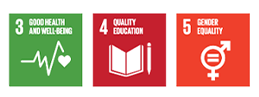
|
||||
| Progress against our strategy | ||||||
| Related capitals | Performance indicator | Why this KPI matters | Performance | Commentary | ||
| 2025 | 2024 | |||||
 |
Fatalities
REM-S
|
Our commitment to safety reinforces our human capital by ensuring our people are protected, motivated and aligned with our strategic objectives. | 0 | 0 | In 2025, we launched our refreshed safety strategy, the Exxaro One Voice Safety strategy, at our annual CEO safety summit and leadership safety day. These events allowed executives and industry leaders to engage in discussions on strategic initiatives and innovative approaches to achieving zero harm. Together, our initiatives enabled Exxaro to reach the milestone of 40 months fatality-free, advancing our zero harm journey and creating a safer work environment for all. | |
| LTIFR
REM-S
|
Reducing the LTIFR demonstrates our dedication to employee safety and wellbeing. A low LTIFR signals a culture of care and accountability, which is fundamental to sustaining high productivity and adaptability. | 0.04 | 0.06 | |||
 |
B-BBEE contribution level | Improving our B-BBEE level highlights our commitment to inclusivity and social responsibility, and contributes to South Africa’s empowerment objectives. This commitment strengthens community and stakeholder relationships while aligning our operations with broader socio-economic goals. | 2 | 2 | We achieved level 2 B-BBEE compliance, with an overall score of 99.23 points compared to 95.13 for the prior year. | |
See intellectual capital and human capital for details.
| Key | Description |
|
REM-S
|
Linked to remuneration (STI) |
|
REM-L
|
Linked to remuneration (LTI) |
| Why it matters | Strategies to achieve our objectives |
Material themes |
||
| To realise this goal, we are strategically decarbonising our portfolio and integrating social impact initiatives that promote environmental responsibility and drive positive social change. These efforts are important, as they contribute to a cleaner world, prepare us for a changing climate landscape and position us as a leader in sustainable practices. Our dedication to carbon neutrality demonstrates to stakeholders, including customers, investors and employees, that our operations align with global activities to reduce climate change and positively impact our planet. |
|

|
||
SDGs impacted
|
||||
| Progress against our strategy | ||||||
| Related capitals | Performance indicator | Why this KPI matters | Performance | Commentary | ||
| 2025 | 2024 | |||||
 |
Absolute emissions (ktCO2e) | Tracking scope 1 and 2 emissions allows us to measure our progress in lowering our carbon footprint, which is directly linked to our operations. |
977 | 936 | Our 2025 absolute emissions were higher than in 2024, in line with increased production. Our short-term goal remains to reduce our scope 1 and 2 emissions by at least 40% by 2030. To achieve this, our first selfgeneration project, the LSP, is producing green electrons and will contribute a further 161ktCO2e reduction to our scope 2 emissions. Additional renewable energy projects at our Mpumalanga operations and energy efficiency initiatives across all operations will also support the achievement of our short-term targets. | |
See natural capital for more details.

| Why it matters | Strategies to achieve our objectives |
Material themes |
||
| We create a lasting positive impact beyond our operational lifespan and drive long-term, self-sustaining development through community projects and programmes. We aim to leave a legacy of empowerment and ecological balance, ensuring the progress and wellbeing of communities alongside environmental integrity. This is important for our business, as it ensures business continuity, enhances stakeholder trust and drives sustainable operations. |
|
|
||
SDGs impacted
|
||||
| Progress against our strategy | ||||||
| Related capitals | Performance indicator | Why this KPI matters | Performance | Commentary | ||
| 2025 | 2024 | |||||
|
SMMEs supported | Supporting SMMEs stimulates economic activity, creates jobs and fosters entrepreneurial growth, ensuring long-term economic resilience in the regions where we operate. | 198 | 178 | We continued to support emerging local businesses and farmers, in line with our Social Impact strategy. 43 new SMMEs joined the programme, while 23 graduated, resulting in a net total of 198 SMMEs supported by Exxaro. We also continued to support ECD centres, with 31 ECD practitioners receiving their accredited National Qualifications Framework level 4 qualifications. The children showed an improvement of 11.2% in their development, and the reduction in the number of learners enrolled was due to grade progression and relocations. | |
| Active learners reached through ECD programme | The total number of learners actively enrolled in the ECD centres that Exxaro supports indicates the extent of the impact of our ECD support programme. | 2 955 | 3 906 | |||
| ECD school readiness (%) | By improving school readiness, we help develop an educated, capable workforce and empower communities to thrive independently over time. | N/A* | N/A* | |||
| We continued water management efforts to ensure climate resilience and safeguard our natural resources. Our water intensity targets remain below industry norms due to above‑average water recycling, as we invest in projects to lower our freshwater intake, such as the Belfast water treatment plant and Grootegeluk Oliphantskop dam recycling project. | ||||||
|
Water intensity (kilolitres (kL)/ tonne RoM) REM-S
|
Tracking water intensity helps us minimise our operational impact, safeguard future resource availability and align with global sustainability standards. | 0.145 | 0.142 | ||
* As the ECD programme was launched in 2023, there is no data for 2024 and 2025. The programme's first cohort intake was in 2024, and school readiness will only be assessed through the national benchmark test in 2027, when the first cohort is in grade R.
See social and relationship capital, natural capital and ethical culture for details.
| Key | Description |
|
REM-S
|
Linked to remuneration (STI) |
|
REM-L
|
Linked to remuneration (LTI) |