
Exxaro Resources Limited
Environmental, social and governance report for the year ended 31 December 2025


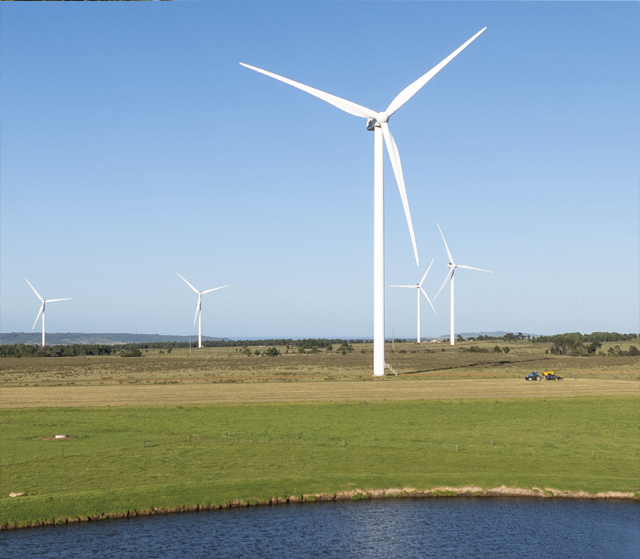
Mining and windfarm operations can alter habitats, disturb ecosystems and affect species diversity. As such, responsible biodiversity management supports the natural resources that sustain our operations, surrounding communities and native flora and fauna.
By integrating biodiversity considerations into planning, operations and rehabilitation, we strengthen climate resilience and contribute to sustainable land use in line with our Sustainable Growth and Impact strategy.
SERC and RBR committee
Oversees biodiversity management plans and initiatives, including review of the updated biodiversity management standard
The executive head: sustainability monitors biodiversity management and stakeholder engagement. The senior biodiversity specialist oversees biodiversity conservation and compliance and leads the development and implementation of prevention and mitigation measures, policies and processes
Site management teams and environmental specialists implement action plans and monitor compliance with licence and permit conditions for each BU. Each BU ensures that the necessary permits for any removal and relocation of vulnerable plants or animals are in place
We apply a holistic approach to conserving biodiversity that prioritises prevention, restoration and continuous improvement to strengthen ecosystem resilience within our operating footprints. Our strategy aligns with the National Environmental Management: Biodiversity Act, supported by site-specific biodiversity management plans that guide implementation and monitoring. These plans are informed by specialist studies, ecological assessments and continuous collaboration with conservation partners.
Key elements of our approach include:

Cennergi manages biodiversity through an environmental management programme. This approach aligns with the Equator Principles and the IFC’s Performance Standard 6 (IFC PS6) guidelines on biodiversity conservation and sustainable management of living natural resources.
Cennergi’s biodiversity monitoring and mitigation plan aims to achieve no net loss of biodiversity.
Each operation maintains a detailed biodiversity plan that defines inspection, auditing and biomonitoring procedures, with biodiversity KPIs tracked across BUs to ensure we honour our commitments.
Regular biomonitoring ensures mining activities do not negatively affect surrounding ecosystems. We employ external service providers to conduct regular aquatic, terrestrial habitat and wetland health monitoring as part of our WULs and environmental impact assessment conditions for Grootegeluk, Belfast, Matla, Leeuwpan, Tshikondeni and Thabametsi. This includes evaluating the physical and chemical characteristics of an ecosystem during both wet and dry seasons to capture variations.
Results from samples sent to independent labs for analysis inform management actions to improve wetlands and aquatic systems outcomes. We track subsequent initiatives to ensure improved compliance and ecosystems health.
Exxaro’s operations go beyond regulatory biodiversity monitoring requirements:
| Operation | Voluntary monitoring activities | |
| Grootegeluk | Grootegeluk (through the Manketti game reserve) monitors cheetah and leopard population for a comprehensive understanding of population dynamics and informing the development of effective human-wildlife management strategies. | |
| Belfast | Biannual monitoring of wetlands, vegetation and fauna in the sensitive Klein-Komati River headwaters (exceeding WUL recommendations). | |
| Matla | Biannual aquatic, flora, fauna and wetland monitoring, including African grass owl (Tyto capensis) population surveys within the mining rights area. | |
| Tshikondeni | Soil health and vegetation recovery assessments to evaluate post-mining rehabilitation success. | |
| Mines in closure (Hlobane and Durnacol) | Voluntary monitoring of sensitive aquatic systems to assess long-term ecosystem recovery. | |
We enhance biodiversity and improve land stability by planting indigenous trees and shrubs across suitable operational and rehabilitated areas. These initiatives contribute to climate resilience by promoting soil health, carbon sequestration and ecological recovery on post-mining landscapes.
We aim to restore ecological balance by identifying, removing and controlling invasive alien species that threaten indigenous vegetation and disrupt water systems. All BUs have invasive species management plans, which aim to:
Grootegeluk pan rehabilitation and offset project
Ahead of mining activities, we have constructed six seasonal pans at Grootegeluk, using clay and biological material from natural pans within the mine impacted area. The project aims to maintain species diversity that would otherwise have been lost. A five-year monitoring programme, initiated in 2022, assesses the ecological recovery of these recreated systems and their potential integration into long-term rehabilitation and offset initiatives. Monitoring shows that biodiversity levels in the new pans are aligning with those of the source systems.
Belfast wetland rehabilitation
Belfast mine updated its wetland rehabilitation programme, incorporating smaller wetland systems within the mine’s boundary to expand the restored area.
Leeuwpan wetland interventions
We maintain a wetland offset strategy to prevent net loss of functional wetland areas around Leeuwpan mine. The strategy was updated in 2024 to include revised rehabilitation measures, and implementation of selected recommendations started in 2025.
Exxaro builds environmental awareness and strengthens biodiversity skills among employees, contractors and local communities through training, upskilling and educational campaigns.
At community level, we empower locally based companies to conduct invasive alien plant eradication across our sites. Participants receive training, equipment and capacity building support. This approach promotes environmental stewardship while creating local employment and business opportunities. We also partner with local schools to support environmental protection initiatives, including clean-up campaigns such as a wetland clean-up conducted in collaboration with a local school in Delmas.
In addition to local communities, we collaborate with a range of stakeholders to support biodiversity research and monitoring, species conservation, wetland rehabilitation and alien plant eradication. Key relationships include:
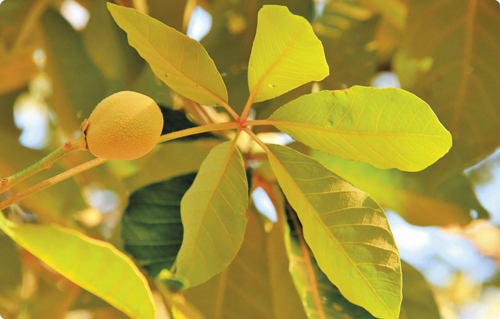
Our mining right areas overlap sensitive environments that are home to threatened and protected species listed on the International Union for Conservation of Nature Red List and the National Environmental Management: Biodiversity Act protected species list. We take steps to protect these species and participate in various conservation programmes that align with regional biodiversity needs.
Grootegeluk
Manketti game reserve
The 22 000ha game reserve serves as a critical conservation buffer around Grootegeluk mine, balancing mining activities with ecological stewardship. The reserve supports diverse wildlife and protects indigenous trees. It provides safe habitat for more than 200 bird species and three vulture species.
Rhino rangeland extension project
Manketti has initiated a project to strengthen genetic diversity in isolated white rhino populations through translocation from our game farm in South Africa into a protected area within a national park in Mozambique.
Free-roaming cheetah tracking
A three-year cheetah monitoring project, conducted with the Cheetah Outreach Trust and the Endangered Wildlife Trust (EWT), is enhancing understanding of free-roaming cheetah populations in the region. Using camera traps, satellite-linked collars and scat analysis, the study tracks cheetah movement, behaviour and prey patterns to inform coexistence strategies between wildlife and human land use.
Leopard density study
To further reduce potential human-wildlife conflict near Grootegeluk, we are conducting a three-year leopard density study in partnership with the Sustainable Conservation initiative. Eighty camera traps have been deployed across the study area and are monitored on an eight-week cycle to inform wildlife management and promote coexistence with surrounding communities.
Cennergi

Preventing bird and bat fatalities
Cennergi’s bat curtailment programme at Amakhala Emoyeni windfarm aims to reduce fatalities through proactive monitoring and adaptive turbine management. Operations are reduced or halted during low wind speeds when collisions are more likely, demonstrating our commitment to biodiversity alongside renewable energy generation. The programme also monitors fatalities in line with the South African bird and bat wind energy guidelines. We employ local carcass search teams to track fatalities and compile their findings in semi-annual reports, which are submitted to relevant authorities including BirdLife Africa, the EWT and the DFFE. We also appointed EkoVler Environmental Management to conduct live bat monitoring at Tsitsikamma community windfarm effective from February 2025 to February 2026.
Biodiversity offset: Cape vulture management
Cennergi and AE01 support the EWT’s Limpopo Cape vulture nestling rescue and rehabilitation initiative to offset residual biodiversity impacts from Cape vulture fatalities in line with IFC PS6.
Read the case study for details.
The Greater Kromme Stewardship initiative
The initiative helps landowners legally protect ecologically sensitive areas through the declaration of nature reserves and conservation servitudes. Since its launch seven years ago, 11 new protected areas have been declared, with four more in progress. The initiative has been widely recognised for securing more priority conservation land in the Kouga region than any other independent conservation body in the past 50 years.
Matla and Belfast
African grass owl protection
Exxaro partners with the EWT and Digby Wells Environmental on biannual monitoring of African grass owls. Now in its second year of wet and dry-season surveys, results confirm active nesting and breeding, demonstrating that the area remains suitable habitat for this vulnerable species. The project supports long-term species protection by maintaining open grassland habitat within the Matla mining right area.
Dullstroom Birds of Prey Centre
Read the case study on for details.
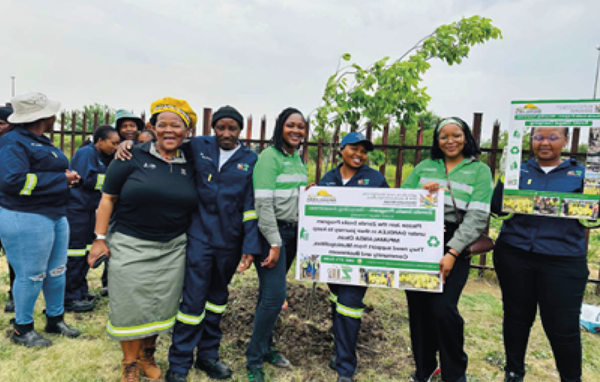
Matla employees and community members at the One Million Trees planting ceremony in Secunda
We cleared invasive alien plant species across 949ha of land in 2025, a 4.33% increase compared to the prior year, especially for Tshikondeni. This shows an improvement in the indigenous vegetation regrowth within the cleared area. However, resourcing constraints delayed alien invasive species eradication activities at Belfast, Grootegeluk and Leeuwpan. This was resolved with a new service contract that increased staffing for Belfast to meet the required scope of work and by appointing alien invasive control contractors for Grootegeluk.
We also updated Belfast, Tshikondeni and Leeuwpan’s alien invasive plant species management plans in accordance with section 76 of the National Environmental Management: Biodiversity Act. Plans for Grootegeluk and Matla remain current and aligned with regulatory and ecological requirements.
Eradication commenced at Grootegeluk and Tshikondeni in April and June respectively, with both sites undertaking phased clearing activities.
| Land cleared of invader plants (ha) | 2025 | 2024 | 2023 | |
| Limpopo | ||||
| Grootegeluk | 3 | 0 | 0 | |
| Tshikondeni | 912 | 0 | 1 430 | |
| Mpumalanga | ||||
| Belfast | 30 | 52 | 29 | |
| Leeuwpan | 0 | 94 | 77 | |
| Matla | 4 | 32 | 102 | |
| Total | 949 | 178 | 1 638 |
| Invasive plant eradication programme | Belfast | Leeuwpan | Matla | Grootegeluk | Tshikondeni |
| Stage 1: Development of invader species management plan | ✓ | ✓ | ✓ | ✓ | ✓ |
| Stage 2: Physical implementation (removal of invader species) | ✓ | ✓ | ✓ | ✓ | ✓ |
| Stage 3: Maintenance (eradication of invaders on site) | → | → | → | → | → |
| ✓ | Completed | → | Ongoing |
| Grootegeluk | Belfast | Leeuwpan |
| We began implementing additional mitigation measures this year to improve the Present Ecological State of natural seasonal pans identified in the offset area. The first phase of this work was completed, with the remaining interventions scheduled for 2026. | We completed the update of the phase 2 rehabilitation plan, with implementation planned for 2026. As part of the plan, we developed a long-term wetland management and maintenance plan to ensure interventions remain functional and effective after rehabilitation. | We implemented revised rehabilitation measures according to the mine’s revised rehabilitation strategy and updated the alien invasive plant management plan. |
Conservation
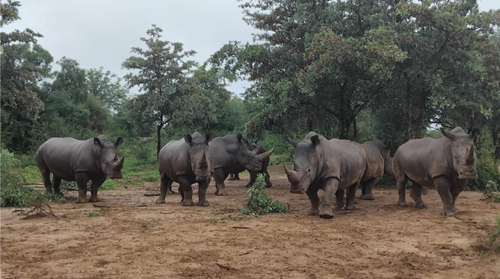
The rhino rangeland extension project experienced delays due to the permitting process. However, we received the required translocation permits and the project is ready to progress to the next phase following the rainy season. The rhinos are ready for translocation pending favourable weather conditions for transportation. Rhino conservation remains a core focus for Exxaro.
In 2025, Manketti donated a rhino cow and calf to a local private game reserve to further support conservation efforts.
Aligning with global and national frameworks
We initiated the update of our group biodiversity management standard in 2025 to align with global and national best practice, as well as Exxaro’s operational requirements. The revised standard is undergoing internal review and is scheduled for formal roll-out across all BUs in 2026.
In parallel, and as part of our commitment to biodiversity conservation, we are preparing to adopt the TNFD framework. As a first step, this will include undertaking a biodiversity footprint assessment, alongside a review and alignment of our existing TCFD disclosures. The foundational work established through TCFD will support the deeper integration of biodiversity considerations into our broader sustainability reporting.
Awareness and education
Employees
We prioritised on-the-job training for employees during 2025, with environmental specialists and interns directly involved in technical biodiversity work at our operations.
Communities
During 2025, we celebrated World Wetlands Day at a school in Delmas, where grade 10 learners were introduced to the importance of wetland protection.
Exxaro also celebrated Biodiversity Day across operations, using social media and videos across BUs to showcase our ongoing work to protect and restore ecosystems within our areas of influence.
The bat fatality threshold was not exceeded for the monitoring period and, as a result, no bat curtailment was conducted during the year
Our databook includes information on regional and global classifications of endangered, threatened and vulnerable species fatalities.

2026
key actions
Our focus for 2026 is to consolidate biodiversity management plans for each BU and align operational implementation with updated reporting requirements. This includes:
Releasing raptors to the wilderness
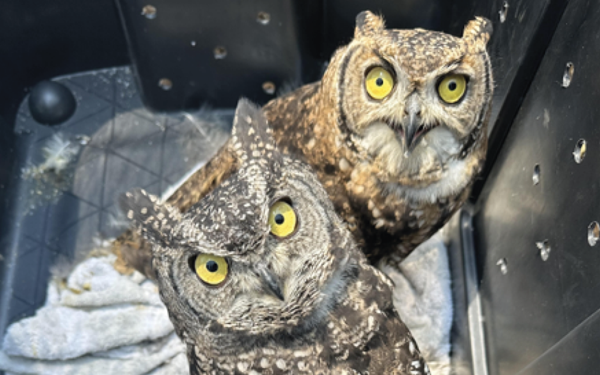
Belfast mine partners with the Dullstroom Birds of Prey Centre to support the rehabilitation and soft release of injured raptors back into the wild.
Through this collaboration, Belfast has designated a protected release site within its conservation area, equipped with nesting boxes and safe perching zones to help birds regain natural behaviours before full release.
Supporting species recovery
Rehabilitated raptors, including spotted eagle owls and barn owls, are given the opportunity to return to natural habitats and re-establish stable populations
Creating safe release environments
The soft release site provides a secure transition space where birds can adjust, hunt and roost independently before full release
Strengthening conservation partnerships
Collaboration with an established conservation organisation ensures specialist care, community awareness and long-term ecological stewardship
Creating awareness
The programme raises awareness among local communities and visiting learners, highlighting the ecological importance of raptors in maintaining balanced ecosystems
Offsetting impacts on Cape vultures through conservation partnerships
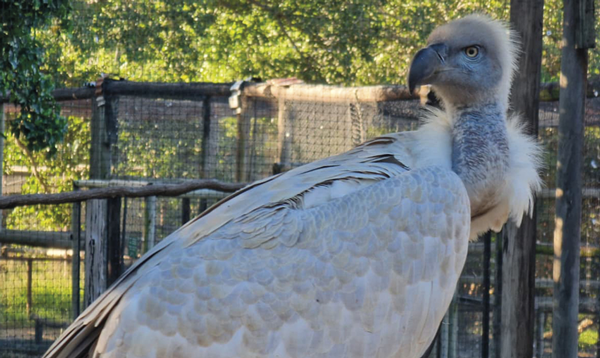
Cennergi supports the EWT’s Limpopo Cape vulture nestling rescue and rehabilitation initiative as a biodiversity offset to address residual impacts on Cape vultures associated with turbine and powerline collisions. While mitigation measures have been in place since 2017, including a Cape vulture food management programme, additional action is required to achieve no net biodiversity loss.
Since mid-2025, Amakhala Emoyeni windfarm has supported the initiative to address recorded and predicted project-related biodiversity impacts over its lifespan. The programme rescues, rehabilitates and releases Cape vulture nestlings from the Manoutsa breeding colony in Limpopo, one of South Africa’s most significant Cape vulture strongholds. It targets the offset of approximately eight vulture fatalities per year over an 11-year period, addressing the 15 fatalities recorded to date and those anticipated in future.
Rehabilitated nestlings are reintroduced into the wild with post-release support to improve survival rates. The initiative also creates local employment through a dedicated, community-based Cape vulture ranger, strengthening conservation capacity at a local level. The EWT monitors implementation and reports on outcomes semi-annually, supporting transparent tracking of biodiversity performance.
Programme outcomes include:
Strengthening Cape vulture populations in a priority conservation area
Alignment with international biodiversity standards and no net loss commitments
Improved chick survival rates through targeted rescue and rehabilitation
Local employment and skills development linked to conservation monitoring